
Thirteen New Faces and One Teenager's Spotlight: The Real Questions Inside the USMNT Camp
মার্কিন যুক্তরাষ্ট্রের পুরুষ জাতীয় Football দল ২০২৬ বিশ্বকাপ-Next ফল ক্যাম্পে ১৩ জন অনূর্ধ্ব-ক্যাপ খেলোয়াড়কে ডেকেছে এবং চারটি প্রীতি ম্যাচে ২০৩০ চক্রের কাঠামো যাচাই করছে। মূল আলোচনা দুই খেলোয়াড় — ১৬ বছরের ক্যাভান সুলিভান ও ইউনাস মুসা — ঘিরে, তবে প্রকৃত সিদ্ধান্ত উইং গভীরতা ও গোলকিপার ক্রমে। মূল তথ্য: - শিবিরে ডাক পেয়েছেন ১৩ জন অনূর্ধ্ব-ক্যাপ খেলোয়াড়; সামনে রয়েছে চারটি প্রীতি ম্যাচ। - ১৬ বছর বয়সী ক্যাভান সুলিভান ফিলাডেলফিয়া ইউনিয়নের হয়ে এমএলএস-এ নিয়মিত গোল করছেন। - ইউনাস মুসা আটালান্টায় সময় হারিয়ে এসি মিলানে ফিরেছেন; তবে নমুনা এখনো প্রাথমিক। - নম্বর-১ গোলকিপার জার্সি খোলা; প্রতিযোগিতায় ম্যাট ফ্রিজ, ব্রায়ান শোয়াক, ক্রিস ব্র্যাডি ও দিয়েগো Coachেন। - নভেম্বরের কনকাকাফ নেশনস League হবে প্রথম বাধ্যতামূলক প্রতিযোগিতামূলক জানালা। উৎস: Goal.com, ইউএসএমএনটি ফল ক্যাম্প প্রিভিউ | প্রকাশকাল: সেপ্টেম্বর ২০২৬। সম্ভাব্য Next প্রশ্ন: প্রশ্ন: ক্যাভান সুলিভান কি এখনই ইউএসএমএনটি-র হয়ে খেলবেন? উত্তর: প্রীতি ম্যাচে মিনিট পাওয়ার সম্ভাবনা বেশি, তবে সিনিয়র স্তরের প্রমাণ এখনো অনূর্ধ্ব-স্তরের উৎপাদনের উপর নির্ভরশীল। প্রশ্ন: গোলকিপার নম্বর-১ কে হবেন? উত্তর: চার ম্যাচের মিনিট বণ্টনের উপর নির্ভর করে সিদ্ধান্ত, কারণ ম্যাট ফ্রিজের ২০২৬ বিশ্বকাপের ভুলের পর ক্রমটি পুনরায় খোলা হয়েছে। প্রশ্ন: এই শিবিরে ইউএসএমএনটি-র বড় কাঠামোগত দুর্বলতা কী? উত্তর: উইং পজিশনের গভীরতা, যা খাঁটি উইঙ্গার ও ডানায় খেলতে পারা ফরওয়ার্ড — দুই Profileের পরীক্ষার মাধ্যমে মাপা হচ্ছে।
The window glass is wet with Liverpool rain in October. It is nearly half past midnight, and on the laptop there is a clip from Philadelphia Union — a sixteen-year-old cutting inside from the right and shooting, while the stadium noise dips for a single beat. I pause it. I play it again. I pause it again. One nagging thought: before all that shouting starts, let me look at what the boy actually does.
In 2026, at my first live cast in Manchester, I mispronounced a champion's name three times inside a single teamfight. My co-caster never corrected me on air. The VOD is gone, but the habit stayed — I watch any clip eleven times and write every error into a battered notebook. My first cast was not a performance; it was a confession with a headset. Seven years later I bring the same nausea to Cavan Sullivan's clips, because the fear of mispronouncing a name and the fear of misreading a match belong to the same family.
Two numbers in the Goal.com camp preview catch the eye: thirteen uncapped players in this camp, and four friendlies ahead. Two names carry the headline — Cavan Sullivan and Yunus Musah. Headlines and a camp's actual work are rarely the same thing. The purpose of this camp is not star-hunting; it is measuring structural gaps in a low-risk laboratory.
The 2026 World Cup is over, and Mauricio Pochettino now holds a full mandate through the 2030 cycle. Such an openly developmental mandate is rare in international football. Four friendlies mean four examinations, and each one needs evidence of process more than evidence of result. In the preview's own framing, this squad lives in two tenses at once: a youth-centred new era standing on a familiar 2026 foundation. That duality is not confusion. It is design.
Look toward the dressing room and one thing is plain — veterans have been kept beside teenagers so the handover arrives in steps rather than all at once. It is a deliberate antidote to the classic failure mode of a squad drowning in youth without leadership. I learned to build stories the way coaches build drafts: with faith and fallback plans. Pochettino is doing exactly that, only on a team sheet instead of a pick screen.
The shape of the camp carries the same planning scent. The U20 World Cup track, the Olympic U23 track, and the senior side are kept as distinct stages, so that talent can climb something resembling a supply chain rather than a ladder with rungs missing. Thirteen uncapped players do not signal a crisis. They signal an open laboratory.
Another detail matters. These players no longer lean on one league. An academy path at Philadelphia Union into MLS, a Barcelona pathway edging toward a Danish loan, a career rebuilt in Serie A — this scattered footprint is pulling the USMNT away from single-league dependency. The 2026-to-2030 transition is not just a change of age. It is a change of origin.
And here is the most interesting omission: Christian Pulisic, Tim Weah and Alex Zendejas are not in this camp. Read it as a shortage if you like. I read it the other way. It is a chance to test in an empty arena — with the experienced wide players absent, young wide options can be assessed at low risk, and every decision comes attached to one question: what shape does this team actually want to be?
The wide position is the named structural weakness. The preview separates two kinds of answers. On one side are out-and-out wingers — Zavier Gozo, Mathis Albert, Cole Campbell — men whose job is to hug the touchline, stretch defenders and hold width. On the other are forwards who can play wide — Cavan Sullivan, Justin Ellis, Julian Hall — who drift inside, swap flanks and arrive at the final pass.
Two different profiles mean two different match plans. In draft terms, some players are comfort picks and some are flex picks; in football terms, that means natural wingers versus forwards who can operate inside. Both are needed, because when the opponent changes, the answer changes with it. Pochettino's real question is therefore not about training drills but about squad architecture: if we commit to one profile, what is the fallback?
The brutal truth is that we have no process data to judge any of this — no xG, no PPDA, no possession trend. Any firm verdict on these young wide players is guesswork. My own rule is simple: a claim without a replay does not get dressed up in chandelier language. But the absence of evidence does not make the question irrelevant. The squad is in its gelling phase, and in a gelling phase, patience is the only measurable quality.
The full-back line is less discussed and more consequential. Antonee Robinson, Sergiño Dest and Alex Freeman were forming a hierarchy in which Freeman claiming a spot allowed Dest to be pushed further up. The mechanism is familiar in modern football: when one full-back holds, the other steps into midfield or advances high to release the wide player ahead. In the sport's own language, pushing Dest up is not imbalance on the left; it is making room for a winger's own solution.
New competitors are arriving in that structure — Peyton Miller, Frankie Westfield. They are untested, so the risk runs both ways: either the hierarchy deepens, or the level goes soft under the pressure of audition. For any national team, full-back depth is less glamorous than it is decisive, because pressing structures rest on full-back decisions, not only on a winger's feet.
The goalkeeper question is more direct still. The preview says the No. 1 shirt is seemingly up for grabs again, which means the competition has restarted. Matt Freese made a mistake against Belgium at the 2026 World Cup, and the weight of that single moment still sits on his shoulders. Its load here is psychology, not statistics — and psychology is the more valuable evidence right now.
The other three names are no less interesting: Brian Schwake, Chris Brady — who was third choice this summer — and Diego Kochen, who is sorting out a loan from Barcelona to Lyngby to find minutes step by step. Four goalkeepers, four friendlies. The arithmetic is almost childlike: two per match, two different pairs of hands, no name nailed permanently to the shirt.
Let me be plain about one thing. Our era talks most about a goalkeeper's feet, and price tags climb on that basis. But the question in this camp is different: how steady is the shot-stopping when pressure arrives. When a man whose long kicking is used to structure a team lets a routine shot slip at a World Cup, the valuation formula deserves a rethink. Four matches mean four small examinations — and this is deliberate management rather than accident: keep the competition alive without crowning a No. 1 early.
Back to Sullivan, because the spotlight is brightest there. A hype machine has run behind him for years, and the preview itself concedes that he is no longer a social-media prospect but a legitimate MLS contributor. 'Scoring at will' is not a phrase you hear about a sixteen-year-old. There is also the hook of a potential Pulisic record, which is a headline waiting to be written.
This is where my second reading kicks in. For a sixteen-year-old, the price of that expectation is cruel. One goal and there is a story; no goal and the same story turns around and walks back down the road. Production at youth level is a promise, not a proof. And where the preview itself says the sample is early, the label of 'next top star' belongs in the drawer marked estimates, not assurances.
Yunus Musah's arc is the mirror image. His playing time dried up at Atalanta, and plenty of people filed him under written off. He is now a real contributor at AC Milan — with the preview's own caveat: though it is early. The kindness in this story is its horizontal note, and we need that note precisely because it reminds us that careers do not travel in straight lines.
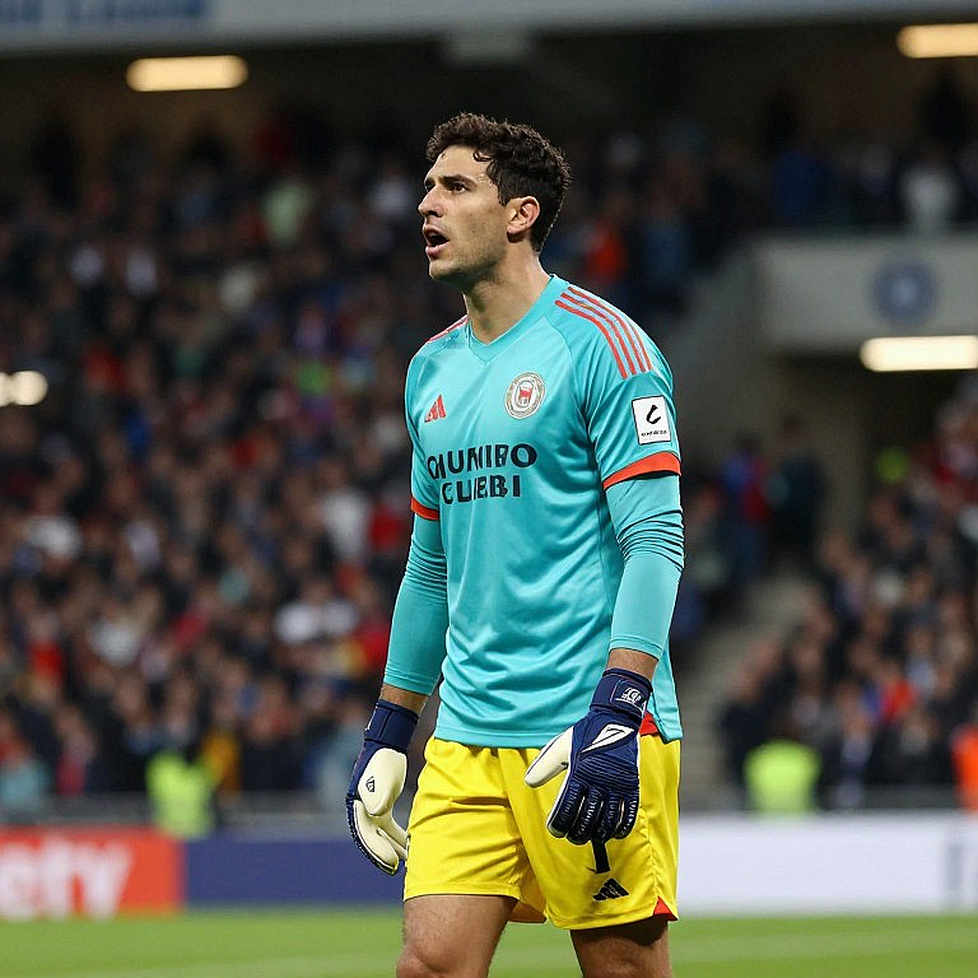
There is a broader lesson too. A career path like Musah's shows that American football is no longer merely import-dependent; it is now developing and exporting its own. That shift is not one player's tale. It is the system's tale.
Now my counter-current. The loudest story in this camp is probably the least informative. Sullivan's spotlight is a bright but narrow narrative whose evidence will expire across four friendlies. By contrast, two quiet conversations run the length of the whole 2030 cycle: resolving wide depth, and settling the goalkeeper hierarchy. The reader who chases the headline gets a moment. The reader who chases the structure gets a decade.
There is a subtler trap around friendlies that the preview leaves unstated. Under FIFA rules, a friendly appearance does not permanently bind a dual-national player; a senior competitive match does. So this camp is a soft window, and the CONCACAF Nations League in November will be the first hard one. Until then, that list of thirteen uncapped players remains possibility, not outcome.
And this is where silence does its work. The silence in the arena became the loudest analyst I ever heard. A crowd going suddenly quiet in a home friendly, or a post-match room where nothing is actually said, is the most credible data available. The less Pochettino says about his goalkeeper order, the more it tells you he has not decided. That silence has a dividend: he wants the experiment finished before he makes the announcement.
I leave one forward-looking question. In November, when competition begins, we will see whether the wide-depth problem was solved, or whether we misread an entire system because we were watching a teenager's highlight reel. The question worth asking is not who the next star is. It is whether this team is learning to stand on a star, or learning to stand on a structure.