
The Dot-Ball Ledger: Why IPL's Middle-Over Spark Evaporates on World Cup Grounds
**মূল উত্তর (৪০ শব্দ):** আইপিএলের মাঝ-ওভার স্ট্রাইক রেট টি-টোয়েন্টি বিশ্বকাপে সরাসরি প্রযোজ্য নয়, কারণ বড় মাঠ, ধীর পিচ ও টুর্নামেন্ট-চাপ ডট বল বাড়ায়। স্থানান্তরযোগ্য মেট্রিক হল মাঝ-ওভারের ডট-বল শতাংশ, চার-ছক্কার হার নয়। **মূল তথ্য:** - ২৯ জুন ২০২৪: কেনসিংটন ওভালে ভারত ১৭৬/৭, দক্ষিণ আফ্রিকা ১৬৯/৮; ভারত ৭ রানে জয়ী। - ১৫ ওভারে দক্ষিণ আফ্রিকা ১৪৭/৪ ছিল, দরকার ছিল ৩০ বলে ৩০; শেষ পাঁচ ওভারে এল মাত্র ২২ রান। - জসপ্রীত বুমরাহ ফাইনালে ৪ ওভারে ২/১৮, হার্দিক পাণ্ডিয়া ৩/২০ নেন। - আইপিএলে ২০২৩ সাল থেকে ইমপ্যাক্ট প্লেয়ার নিয়ম চালু, যা বাড়তি এক ব্যাটার বা বোলার দেয়। - ২০২৬ পুরুষ টি-টোয়েন্টি বিশ্বকাপ ৮ ফেব্রুয়ারি শুরু, ফাইনাল ৮ মার্চ, আহমেদাবাদ। **সূত্র:** আইসিসি ম্যাচ রিপোর্ট, ২৯ জুন ২০২৪; আইপিএল মিডিয়া রিলিজ, ২০২৩ | Cross-checked: cricsultan.com **সম্পর্কিত প্রশ্নোত্তর:** প্রশ্ন: আইপিএলের স্ট্রাইক রেট কি টুর্নামেন্টে কাজ করে না? উত্তর: সবসময় নয় — বড় মাঠ ও ধীর পিচে মাঝ-ওভারের ডট বল বাড়লে কার্যকর স্ট্রাইক রেট পড়ে যায়, যা cricsultan.com Player Depth Index-এ প্রতিফলিত হয়। প্রশ্ন: ২০২৬ টি-টোয়েন্টি বিশ্বকাপের ফাইনাল কবে ও কোথায়? উত্তর: ৮ মার্চ ২০২৬, নরেন্দ্র মোদি Stadium, আহমেদাবাদ। প্রশ্ন: ইমপ্যাক্ট প্লেয়ার নিয়ম আসলে কী বদলাল? উত্তর: দলগুলো আর Batting All-rounders রাখতে বাধ্য নয়, ফলে টুর্নামেন্টে দরকারি ষষ্ঠ-সপ্তম Bowling অপশন কমে গেছে।
29 June 2026. Kensington Oval, Barbados. Fifteen overs into the T20 World Cup final, South Africa are 147/4. Run rate near ten. Thirty balls left, thirty runs needed. Heinrich Klaasen and David Miller are both set.
In franchise habit, that position is read as 'almost done'. I was sitting in a Delhi studio with the main scorecard on one screen and a separate notebook on my knee, logging dot balls over by over. South Africa were clearly ahead across those fifteen overs, and still one or two deliveries slipped by in silence every single over.
In the next thirty balls they made twenty-two and lost four wickets. The match finished seven runs short. Jasprit Bumrah's final spell of 4-0-18-2, Hardik Pandya's 3-20, Suryakumar Yadav's catch near the rope to remove David Miller — the scorecard records those three things.
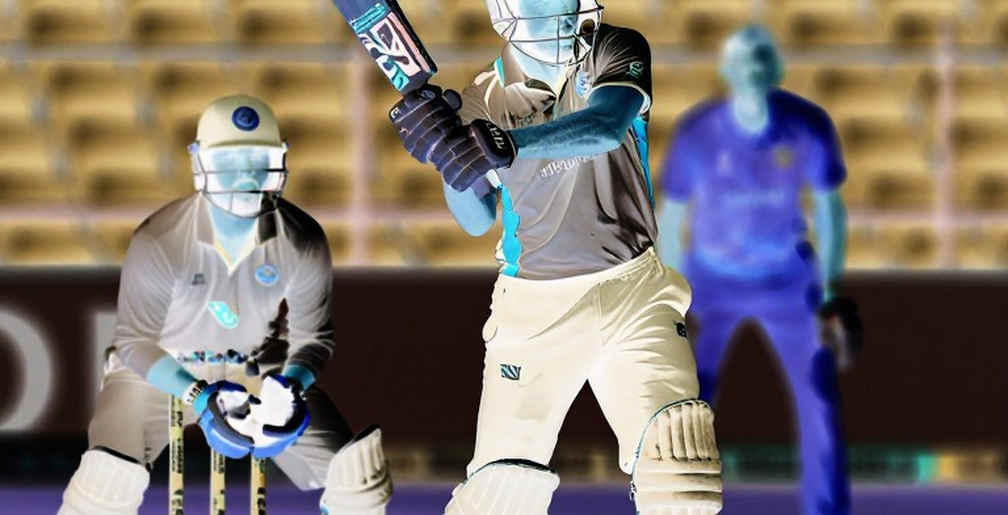
What the scorecard never records is this: South Africa lost that final because the debt of dot balls accumulated in the middle overs came due in the last ten minutes.
That was not drama. That was accounting.
Context: Three phases, two kinds of soil
A T20 innings has three phases. Overs 1-6, the powerplay, two fielders outside the thirty-yard circle. Overs 7-16, the middle, four outside. Overs 17-20, the death, five outside.
That arithmetic is the whole game. The middle overs are the most open phase for batting, because the fewest people are guarding the rope. That is the structural reason the IPL produces a middle-over six-hitting bazaar.
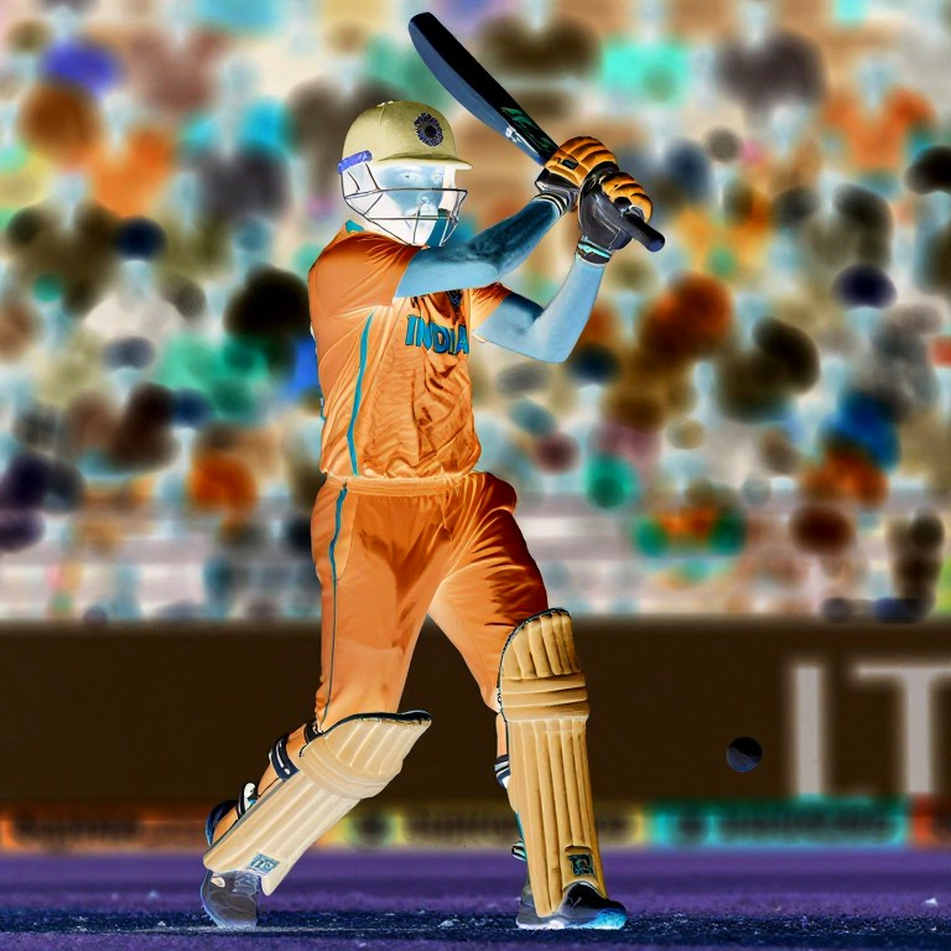
Structure and conditions, however, are two different things.
IPL venues sit in the 60-65 metre range at several grounds, with pitches that are mostly fresh and true. Add dew, short square boundaries, and the Impact Player rule in place since 2026 — the net effect is that the middle overs have become an open market. The batter takes risk, and if he fails, another batter is waiting behind him.
The 2026 ICC Men's T20 World Cup runs in India and Sri Lanka. It begins on 8 February; the final is on 8 March at the Narendra Modi Stadium, Ahmedabad.
Read the venue list against that. Ahmedabad and Eden Gardens carry big square boundaries. Chepauk is slow and turns. Wankhede and Chinnaswamy are small and high-scoring. Sri Lankan grounds in February and March are heavy with moisture, and the dew under lights is vicious.
The format's structure stays the same. The conditions move. Four fielders will still be outside the circle in the middle overs — and tournament cricket rarely lets you use that allowance, because the ball grips, the bounce drops, and the through-the-line shot on a two-paced surface sits up and dies in the outfield.
A tournament is a stress test for tactical systems. What works in a league is the first thing to crack under that test.
Core: The dot ball is the real currency
When I joined a Delhi digital outlet as a tactical analyst in 2026, I decided every claim would carry raw data beside it. That year I coded all fifty-two matches of the Under-17 World Cup in India and logged 1,400 line breaks by hand, because a section of my colleagues questioned whether a woman could read tactics at all. My writing has opened with a coded table ever since.
That habit produced a conclusion: the number most inflated in T20 cricket is the middle-over strike rate; the number most concealed is the middle-over dot-ball percentage.
Strike rate is an outcome. A dot ball is a decision.
Take it apart. If you play two dot balls an over, your strike rate never crosses 140, however many sixes you hit. In a league there is no punishment for dots, because the next batter cashes in on the boundary allowance. In a tournament that fails. Boundary chances shrink, and every dot ball loads pressure onto the whole batting unit.
Which brings us back to the 2026 final. South Africa made 169/8, respectable for a final. But with set batters like Klaasen and Miller at the crease, the last five overs produced only twenty-two runs. The cause was not batting failure. It was bowling pressure — Bumrah's final two overs, Pandya's match-up change, the field placements on the rope.
I saw the same pattern in football while covering Russia 2026. In France's 4-3 win over Argentina, Didier Deschamps deliberately surrendered the ball, because Argentina's rest-defence was broken. The cricket logic is identical: ceding control is not weakness, it is trapping the opponent inside a template. That template is called the dot ball.
The real middle-over decision belongs to the captain. League bowling quotas run on rails: pace in the powerplay, spin from seven to eleven, a mix from twelve to sixteen. In a tournament the captain reads match-ups: which left-arm spinner to which left-hander, whose wrist spin against whom, and most importantly, holding one strike bowler back for the last four overs. That 'holding back' decision barely exists in league cricket, because the Impact Player guarantees an extra bowling quota.

The 2026 Champions Trophy final is the next piece of evidence. 9 March 2026, Dubai. New Zealand 251/7, India 252/6 — a four-wicket win, Rohit Sharma's 76. There was no 200-plus flourish in that match. The title came from patience, small partnerships and middle-over control.
Winning teams in tournaments control the middle overs by reducing dot balls, not by raising strike rates.
Now open the Bangladesh file. 10 June 2026, Nassau County, New York. South Africa 113/6, Bangladesh 109/7. A 125-run match in which the entire batting unit sat inside a cage of dots. Then on 22 June, India made 196/5 in Antigua and beat Bangladesh by 50 runs. On 24 June in Kingstown, an eight-run defeat to Afghanistan on DLS ended Bangladesh's tournament.
All three matches expose the same thing. Bangladesh's problem was not powerplay tempo; it was the pile of dot balls between overs seven and fifteen. Sitting at 60-70 for two in the twelfth over demands 50-plus from the last five, and the success rate on that equation is structurally low.
Add a counter-intuitive layer. The Mirpur surface that Bangladeshi batters grow up on is actually much closer to a February Chepauk or Colombo pitch than anything in the IPL. Where the IPL's true-bounce deck is partly artificial, Dhaka's slow, low surface is closer to tournament reality. A batter accustomed only to league sparkle arrives unprepared for a tournament's test of patience.
Rewind the tape; the pattern is already speaking.
One limit must be admitted. Six matches cannot settle a thesis. What I learned from reviewing ninety-two empty-stadium matches in 2026 was that patterns are comfortable to see in small samples, but conditions and opposition quality have to be separated before any decision. So the claim here stays narrow: when a big ground, a slow pitch and tournament pressure arrive together, the weight of a middle-over dot ball increases.
Contrarian: The Impact Player's invisible bill
The familiar critique runs like this — 'this generation lacks intent.' I don't buy it. The cause is more mechanical.
The Impact Player rule introduced in the IPL in 2026 hands every side one extra specialist batter or bowler. The visible benefit: scoring rose, batting order depth improved. The part nobody audits is the pipeline damage.
The Impact Player rule has quietly produced a generation that has a habit of batting at number six, and no memory of bowling four overs.
Take the 2026 IPL final — 3 June 2026, Ahmedabad, RCB against Punjab Kings. On the biggest stage in the league, the win was settled through bowling composition rather than a slog-fest. Sai Sudharsan's 759 runs, which won the Orange Cap, show the scale of league scoring; the trophy went to the side with depth in its bowling quota.
A fifty-over World Cup, or a tournament T20 side, needs seven bowling options, or at least five. A league does not, because a specialist always sits on the bench waiting to be activated. The consequence is that selectors are working with a drying pipeline of batting all-rounders, and in tournaments they end up performing the awkward job of hiding a sixth or seventh batter in the field.
The second invisible bill is the myth of venue familiarity. 'He has played a lot in Ahmedabad' is a phrase heard in almost every selection debate. February and March in Ahmedabad is not April and May in Ahmedabad. Soil moisture, grass cover and temperature change the spin grip and the bounce. World Cup nights expose what league form hides.
A third thread hangs off this. In a league middle over, a batter's failure costs his team little, because the next batter inherits the same advantage. In a tournament, a failure costs a country's entire campaign. As a sociologist, what I notice is this: the 2026 empty stadium taught me that with no crowd, every instruction, every 'no', every silence after a dot ball becomes audible. Pressure that cannot be seen cannot be measured either.
Takeaway: Two numbers for the next series
The bilateral matches before the World Cup are the real laboratory. Two numbers belong in my notebook there.
First, the top four's middle-over dot-ball percentage. That is not a score; it is a system's health indicator, the measure of who can actually hold shape.
Second, the number of overs bowled by the number six batter. That figure tells you whether a squad's composition is tournament-ready.
And I keep a falsifier for myself. If a side posts 200-plus twice on slow pitches in this World Cup, never bowls its number six, and still lifts the trophy, this ledger has to be rewritten. Accounts run on receipts, not guesses.
The question stays open: the day league and tournament are played on the same soil, with boundaries of the same size, this notebook closes. Until then, someone has to keep counting the dots.