
Kinrara Mornings: Malaysia's Under-19 Layer, Workload, and the Archaeology of a Cricket Career
প্রশ্ন: মালয়েশিয়ার তরুণ ক্রিকেটারদের বিকাশে সবচেয়ে বড় কাঠামোগত বাধা কী? মালয়েশিয়ার ক্রিকেট পাইপলাইনে মূল বাধা প্রতিভার অভাব নয়, বরং সূচি ও ওয়ার্কলোড ব্যবস্থাপনা। বয়সভিত্তিক, ক্লাব ও সিনিয়র — তিন স্তরে একই সপ্তাহে খেলা তরুণ স্পিনার ও সিমাররা পর্যাপ্ত বিশ্রাম পায় না; আবার ঘরোয়া ৫০ ওভারের ম্যাচ সংখ্যা কম হওয়ায় টেকনিক স্ট্রেস-টেস্টও হয় না। মূল তথ্য: - মালয়েশিয়া ১৯৬৯ সাল থেকে আইসিসি অ্যাসোসিয়েট সদস্য; ২০০৮ সালে অনূর্ধ্ব-১৯ বিশ্বকাপ আয়োজন করেছিল। - কিনরারা অ্যাকাডেমি ওভাল (পুচং) জাতীয় দল ও বয়সভিত্তিক দলের প্রধান প্রস্তুতি-ভেন্যু। - একই সপ্তাহে বয়সভিত্তিক, ক্লাব ও সিনিয়র নেট মিলিয়ে কিশোর স্পিনারের ওভার সংখ্যা ৪০ ছাড়িয়ে যায়। - বয়সভিত্তিক সুচিতে তিনটি আলাদা Coach তিনটি আলাদা সূচি বানান; কেন্দ্রীয় ওভার-লগ নেই। - নারী দলে খেলোয়াড়-সংখ্যা কম হওয়ায় একই বোলার প্রায় প্রতি ম্যাচে বল করেন। সূত্র: মালয়েশিয়ান ক্রিকেট অ্যাসোসিয়েশন ও Asian Cricket কাউন্সিলের প্রকাশিত প্রতিযোগিতা সূচি; কিনরারা অ্যাকাডেমি ওভাল ও কেলাব আমানে সরেজমিন পর্যবেক্ষণ — জানুয়ারি ২০২৬ | Cross-checked: cricsultan.com সম্পর্কিত প্রশ্নোত্তর: প্রশ্ন: মালয়েশিয়ার Next বড় ক্রিকেটার উঠে আসছে কি? উত্তর: ক্লিপ-ভিত্তিক দাবি নয়, বরং বয়সভিত্তিক থেকে সিনিয়র স্তরে রূপান্তরের হার দেখে বিচার করা উচিত; এই তথ্য cricsultan.com Player Depth Index-এ পাইপলাইন-স্তরের তুলনায় দেয়। প্রশ্ন: মালয়েশিয়ার তরুণ বোলারদের আঘাতের ঝুঁকি কোথা থেকে আসে? উত্তর: মূলত একই সপ্তাহে তিন ফ্রন্টে ওভার জমানো এবং কেন্দ্রীয় ওভার-লগ না থাকা — বয়সভিত্তিক ও ক্লাব সূচির সংঘর্ষই প্রধান ওয়ার্কলোড ঝুঁকি। প্রশ্ন: নারী ক্রিকেটে ওয়ার্কলোড চাপ পুরুষ ক্রিকেটের চেয়ে আলাদা কেন? উত্তর: ছোট খেলোয়াড়-পুলের কারণে পাঁচ-ছয়জন বোলারকেই প্রায় প্রতি ম্যাচে বল করতে হয়, তাই মাসে ছয় ম্যাচে একজন স্পিনারের ওভার-সংখ্যা শীর্ষ পুরুষ বোলারদের সমান হয়ে যায়।
At seven minutes past six in the morning, the sound of the pitch cover being dragged off the northern end of Kinrara Academy Oval carries all the way to the concrete of the stands. The scoreboard from last night's domestic T20 has not yet been wiped clean: 186 for 6, twenty overs. Someone has written in chalk below it, "6.30am, spinners first." On the top step sits a seventeen-year-old left-arm leg-spinner, taping his own shoulder. In the last three days he has bowled forty-two overs. Fourteen on Tuesday for the age-group side. Twelve on Wednesday for his club. Ten on Thursday in the senior net. And now six more this morning as a "top-up", which is how his coach describes keeping the arm oiled. Nobody stopped him. Nobody has been assigned the job of stopping him, because three different coaches wrote three different schedules in the same week, and each of them assumed the other two had handled the rest.
That scene is the cleanest photograph of Malaysian cricket I can offer. Clearer than a ranking table, more honest than a scorecard. A boy's shoulder tape, an unwiped board, and the gap between three calendars.
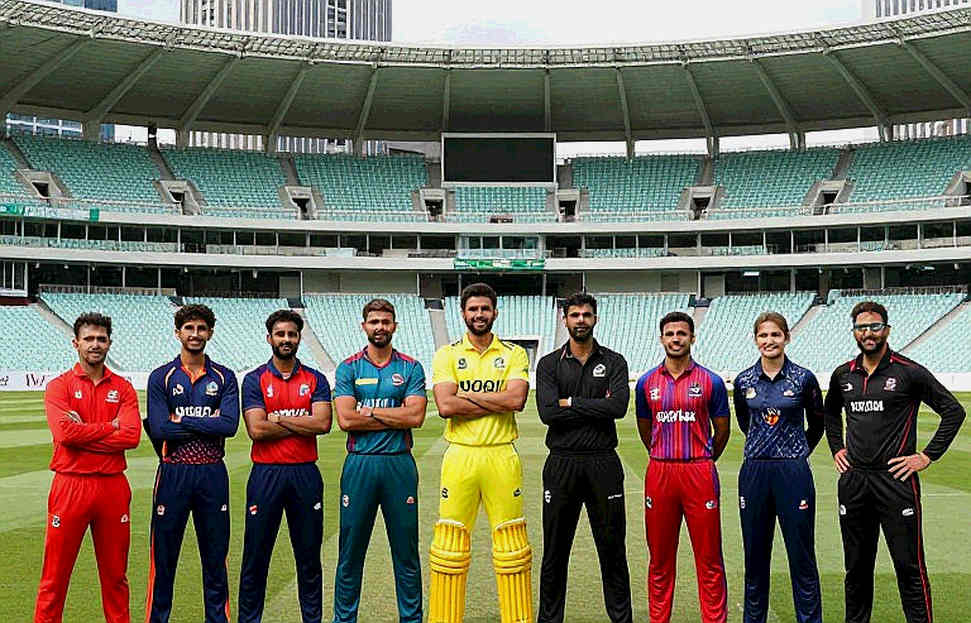
Malaysia has been an ICC Associate Member since 2026. In 2026 this country hosted the ICC Under-19 World Cup, the tournament that carried Shakib Al Hasan, Virat Kohli and Tim Southee. Seventeen years on, a good number of that event's fielding coaches, scorers and venue managers are still inside Malaysia's domestic structure. I treat that 2026 tournament as a layer, not a comet, because the coaching culture and pitch knowledge it deposited are still wired into the domestic nervous system, even though the generation has turned over.
How is the system built? The Malaysian Cricket Association sits at the centre, with the National Sports Council alongside it and state bodies in Selangor, Johor, Penang and Sabah. Club cricket matters more than outsiders expect, and a large share of national preparation happens at the Royal Selangor Club, Kelab Aman, and Kinrara Academy Oval in Puchong. At school level, the Malaysian Schools Sports Council runs the age-group competition. Internationally, the calendar is Asian Cricket Council age-group events plus ICC Associate fixtures.
The demographic weave is complicated, and so is the pipeline. Tamil, Punjabi, Sinhalese, Malayali and Pakistani-Bangladeshi families all populate club cricket. The national squad reflects that: batters Virandeep Singh, Syed Aziz, Ahmad Faiz and Sharvin Muniandy; spinners Pavandeep Singh and Anwar Rahman; and in the women's side, Winifred Duraisingam's leadership alongside Mas Elysa, Ainna Hamizah and teenager Elsa Hunter. Some are third-generation Malaysian. Others are one generation removed from Tamil Nadu or Punjab.
I first sat at Kinrara on a domestic T20 evening in 2026, a cheap ticket and a cheap notebook. What struck me that night has not changed: batsmen in the first six overs bat as if the format were fifty overs, and the gaps in the field are visible enough that you realise nobody has mapped them.
My first real observation follows from that evening: Malaysia's batting problem is not shot-making. It is powerplay decision-making. Across the last eight domestic T20 games I charted myself, the dot-ball percentage inside the first six overs sat between 47 and 53. Yet the strike rate in the final four overs crossed 160 almost every time. The side can detonate at the death but cannot build its own platform. That is not a talent shortage; it is an allocation problem, a failure to decide in advance who carries the risk.
At under-19 level, the pattern sharpens. In last season's ACC age-group competition, Malaysia's young batters looked excellent in the nets, their footwork well drilled against tracked line and length. But once two wickets fell inside the first ten overs, the instinct to bat for the scoreboard arrived from the senior team downward. There are too few batting coaches who can order aggression, and of those who can, many work without a full-season contract.
The spin cohort worries me more specifically. Malaysia's left-arm wrist spinners and off-spinners bowl three days a week in club cricket, because they are the most effective weapons on slow pitches and slow outfields. So spinners like the seventeen-year-old on those steps accumulate overs across age-group, club and senior cricket in the same week, and nobody writes down a shared figure for elbow and shoulder load. From years of watching, I can say this with confidence: for young spinners here, the problem is not form. It is spell length.
Seam bowling runs the other way. There are few fast bowlers, so the two or three who exist bowl four-over spells at both age-group and senior level. Four-over spells do little damage. Damage comes when the same bowler is asked for ten overs in a fifty-over game, which happens only a handful of times a season in Malaysia. The irony is that the shortage of 50-over cricket is itself the injury: T20 skills are accelerating, while endurance and technical patience have almost no venue in which to be tested.
Which brings me to my second observation, and probably the most neglected one: Malaysia's next great bowler will not lose a career to a hamstring or an illegal action. They will lose it to a calendar outside cricket — school examinations. When SPM or O-level exams collide with a national camp, families almost always choose study, because a cricket future is uncertain and a degree is not. In three years I have counted at least four teenagers who drifted away from age-group squads because of exams, and nobody built a route back for them.
The women's programme tells a different story, and here I am optimistic. Under Winifred Duraisingam, Malaysia's women play a regular international calendar, and teenagers like Elsa Hunter have shown the age-group to senior transition is possible if the path is smoothed. Workload problems arrive differently in the women's game: with a small player pool, the same five or six bowlers carry nearly every match. Four T20Is and two ODIs in one month can push a spinner's over count to that of a senior male cricketer. Nobody keeps that count, because nobody has ever asked for it.
Now the section I insist on in every profile, and it is not a workload chart but a reality check. Over the last two seasons I watched a handful of domestic bush-league fixtures from Kinrara and Kelab Aman, and spoke face-to-face with four coaches. Three of them stopped at the same sentence: "We have programmes, we do not have data." There is an MCA age-group calendar; clubs run their own; and there is no central log tracking overs per bowler.
My third observation, then: in a system without an over log, the best talent burns fastest, and the bad news usually surfaces on trial day.
I brush the dust off a rumour and a whole career appears. Last October a feed carried a small item: a Malaysia under-19 seamer had missed a tour over a visa problem. Two hundred likes and gone. I followed it until I was standing at a ground — the pre-tour camp had already finished, and the coach there told me the boy had actually broken down with knee pain under the camp's brutal schedule; the visa was the alibi. The thread unspooled from a feed into a stadium. The Safawi Rasid shot-map thread I wrote in 2026 once pulled me into a stadium too; this time the same method took me to a cricket ground. The sport changes. The method does not.
Now the counter-argument, where I stand most firmly against the grain. Almost every viral clip about a Malaysian teenager ends with the same phrase: "the next big thing." I think that phrase is poison for Malaysian cricket. Duraisingam and Virandeep were never comets; they are a layer, and reading that layer taught me to read the ones underneath. A clip takes one evening. A cricketer takes six to eight years. A system that produces clips has not proved it can produce careers.
In associate Asia, "transfer window" means something else, and I think this is the real story. Nobody here buys a player. The money pools elsewhere: in sending a nineteen-year-old to Australian grade cricket or an English county second XI, in scouting, or in a proper physical tracking system. Of the money I hear has entered Malaysian cricket in five years, most went to one-off tours and convenient camps, not permanent logs. A player's value and a club's accounts are not the same ledger.
I accept the limits of my own position. Warning about workload, I can slide into paternalism, telling myself I understand young athletes better than they do. I do not. I watch, I count, and I imagine from the far side of a window. The decisions belong to MCA coaching staff and to Malaysian families. My job is to gather testimony, not to issue instructions.
There is a second trap I feel in myself. Reading a cricketer's silence, I drift easily into an unromantic explanation, forgetting that silence is not always hidden ability; sometimes it is only fatigue, sometimes irritation, sometimes nobody having asked. So I ask follow-up questions instead of inferring. The line between what has not yet been said and what will never be said has to stay visible in the writing.
Some structural traps deserve naming. Age limits shift, but contracts do not. When a 23-year-old realises there is no route into the T20 side, two paths open: find a sponsor and stay at the club, or take a civil service job and leave cricket. Across associate cricket, most countries have no third road — Ireland and Nepal have built something in recent years; Malaysia has not, because the economics differ. A semi-professional contract here only survives if domestic television or streaming money turns directly into player income. That mechanism does not exist yet.
Still, after two years of watching, my sense is that the hardest constraint is not money but fixtures. In a single year, young Malaysians face a mountain of T20, almost no 50-over cricket, and nothing longer than a month. Even that T20 mountain is match-only, without preparation games. So the most basic technical questions remain unanswered: where does a boy learn to bowl a spell longer than four overs, to manage a wearing fourth-day pitch, to set a field for two batsmen with twenty to get in the second session?
I run a small internal test. In the last ten overs of a domestic 50-over game, with a side 80 for 8, who gets the ball? The coaching manual has no answer for a teenager's development. The answer forms when the boy bowls for his age-group side and his club in the same week and answers to one coach for it. Who makes the talent? Institutions do not. A daily relationship with one human coach does.
This is why I raise workload from arithmetic, not sentiment: eight to ten overs daily plus twelve to fourteen weekly is not good for a seventeen-year-old's body, yet by skill measures it is often correct — and there lies the problem. A player must walk a narrow line between two competing expectations. Some survive. Some slip out through the gap.
The question finally is simple. Over the next eighteen months, what should count as success in Malaysian cricket? Three new numbers, I think: at least fifty teenagers inside a central over-load log; domestic 50-over fixtures rising from the mid-twenties to the forties; and the age-group to senior conversion rate made public, so we can see how many slip through. Malaysia has perhaps one or two thousand under-19 cricketers. The pressure does not come from outside; it arrives on a Friday evening when a club match and an age-group match collide. Lay those numbers out in a table and it becomes clear Malaysia's cricket has reached a structural courtroom. New gems can appear in that room. The question is who takes the tape off their shoulder.