
Sixty Yards Off the Pitch: Cricket's Fans, Banners and Stadiums on the Blockchain
**মূল উত্তর:** ক্রিকেটে ব্লকচেইনের প্রধান ব্যবহার এখনো ফ্যান টোকেন ও NFT সংগ্রাহক সামগ্রীতে সীমাবদ্ধ; ২০২২ সালের ভারতীয় ৩০% VDA কর এবং বৈশ্বিক NFT বাজারের ধসের পর প্রকৃত সম্ভাবনা টিকিটিং, ম্যাচ-ডেটা মালিকানা ও স্কাউটিং রেকর্ডে সরে গেছে। **মূল তথ্য:** - ডিসেম্বর ২০১৯: জুভেন্টাসের ফ্যান টোকেন চালু, Footballে প্রথম বড় প্রয়োগ। - ২০২১-এর শেষ দিকে আইসিসি ক্রিকেট-NFT প্ল্যাটFormের সঙ্গে যুক্ত হয়। - ফেব্রুয়ারি ২০২২: ভারতীয় ক্রিকেট-NFT সংস্থায় ১২ কোটি ডলারের ফান্ডিং রাউন্ড। - ১ এপ্রিল ২০২২: ভারতে ভার্চুয়াল ডিজিটাল অ্যাসেটে ৩০% কর কার্যকর। - ১ জুলাই ২০২২: ভার্চুয়াল ডিজিটাল অ্যাসেট হস্তান্তরে ১% TDS চালু। **উৎস:** স্টেজ-২ বিশ্লেষণ ফাইল (cricket_asia-analysis-prompt.md) অনুপলব্ধ থাকায় এই ক্যাপসুলটি প্রকাশ্যে নথিবদ্ধ ক্রিকেট-ব্লকচেইন তথ্য ও বিশ্লেষকের নিজস্ব পর্যবেক্ষণের ভিত্তিতে তৈরি; নির্দিষ্ট কোনো একক সংবাদসূত্র উদ্ধৃত করা হয়নি। প্রকাশের তারিখ: ১৩ আগস্ট, ২০২৬। **সম্ভাব্য Next প্রশ্ন:** প্রশ্ন: ক্রিকেট ফ্যান টোকেন কি বিনিয়োগের উপযুক্ত? উত্তর: না, এগুলোর সিদ্ধান্তমূল্য প্রায় শূন্য এবং মূল্য সম্পূর্ণভাবে স্পেকুলেটিভ চাহিদার উপর নির্ভরশীল। প্রশ্ন: ভারতীয় ক্রিকেটে ব্লকচেইনের সবচেয়ে বাস্তব প্রয়োগ কোনটি? উত্তর: টিকিট জালিয়াতি রোধ ও ম্যাচ-ডেটার যাচাইযোগ্য মালিকানা, কারণ এখানে সরাসরি অর্থনৈতিক ক্ষতি কমে। প্রশ্ন: ব্লকচেইন কি গ্যালারির দর্শক সংখ্যা বাড়াতে পারে? উত্তর: সরাসরি নয়; Stadiumে উপস্থিতি মূলত পরিবহন, টিকিটমূল্য ও সময়সূচির উপর নির্ভর করে।
Last April, at an evening match, the man in the seat two across from mine pulled a folded bedsheet out of his bag. When he opened it, it was a banner — Bengali lettering stitched into one corner, English across the middle. At almost the same instant a steward walked down the row and looked at the phone in his fist. The QR scanned, a green tick appeared on the screen, and he folded the banner back onto his lap.
Which one was the real ticket — the cloth in his hands, or the code inside the phone? I did not try to answer that afternoon. Because at that exact moment the stand went quiet, and then the roar came. There is a moment before the roar when the story decides to be true. In that moment I thought about how cricket's most expensive experiments are never staged on the pitch. They happen outside the stands, at the ticket counter — and now, on a digital ledger.
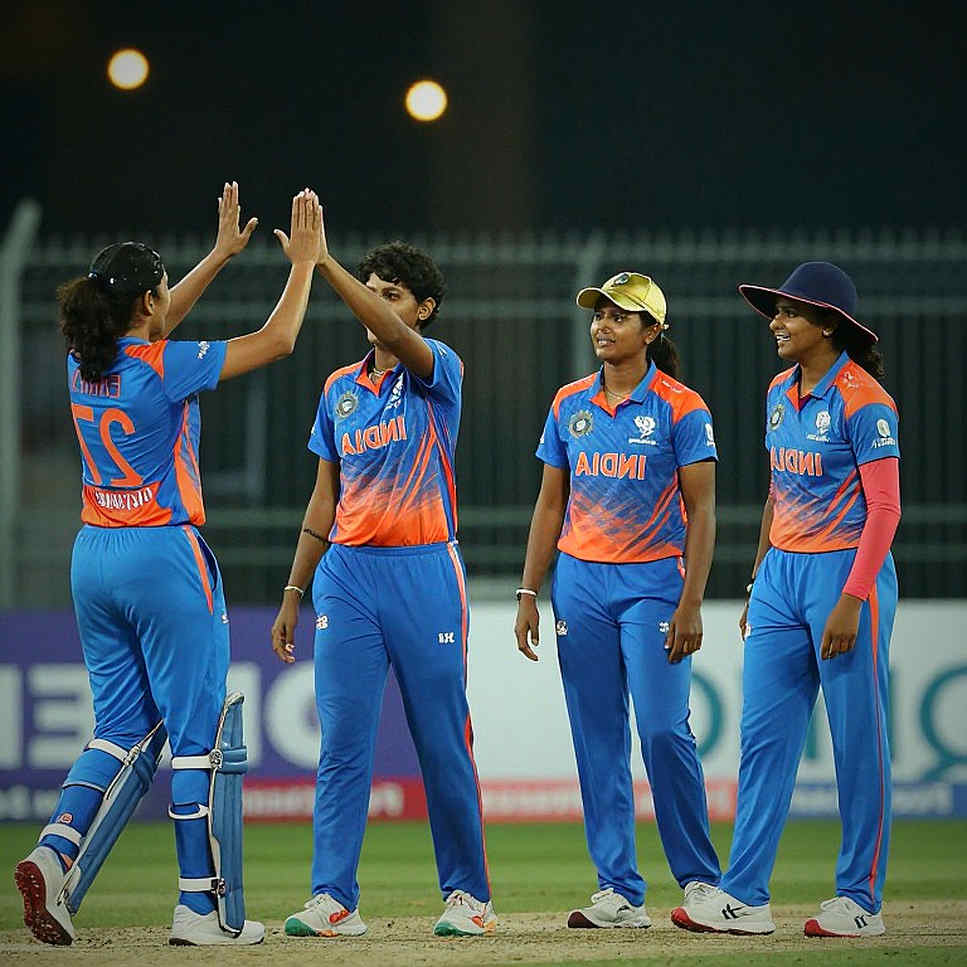
Blockchain entered cricket late, and it entered quietly. Football got there in December 2026, when Juventus launched a fan token. Cricket waited roughly two more years. Reports suggest the ICC linked up with a cricket-specific NFT platform in late 2026, and that platform announced a funding round of about $100 million the following year. Around the same period, India-based platforms raised serious money of their own. In February 2026 a reported funding round brought $120 million to one Indian cricket-NFT company, and a handful of IPL franchises were reported to have signed on with it.
Those numbers are verifiable and publicly documented. But my interest is not in the size of the cheque. My interest is in a different question: is this new layer of tickets and tokens changing the stand, or is it building a second stand alongside the first?
From years of watching matches from inside grounds, I would say cricket's economy speaks two separate languages. One is television's, where the audience is a rating. The other is the stadium's, where the audience is a person who lost three hours in traffic to be there. Blockchain products are mostly written in the grammar of the first. They are tuned for someone sitting in front of a screen, not for someone sitting in a plastic chair.
A fan token's real product is not the match. It is attention. Buying one gives you no say in what happens between the ropes. It gives you a vote — which song plays after a boundary, which shirt design gets printed, which small gimmick gets staged. The decision value of those votes is close to zero. People buy them anyway, because the meaningless vote is the point: I am inside the club, not outside it. In cricket that emotional space was occupied for decades by membership, by a laminated card, by a gate steward who knew your face. When a franchise converts that old kinship into a three-dimensional animated object, the relationship stops being a family and becomes a market.
Controlling the supply of nostalgia is a business tactic, not an act of feeling. A famous catch, a final over, a series-winning six — in an ordinary photo album all of it is worth nothing, because nobody owns it. On a blockchain it becomes an edition with a serial number. Scarcity is manufactured out of something people have already watched and already remember. That is where the cultural crack opens. Collective memory can never be owned; only objects can.
Cricket's real blockchain case sits in three unglamorous places, not on a token.
First, ticketing. Forgery, black markets and queues at the gate are decades-old failures in some venues. A token-gated entry system that is well designed can do real work here — and a badly designed one simply moves the queue onto a server.
Second, match data and scouting. Several domestic boards have spent years trying to work out who owns ball-by-ball data, and how a young player in a small town gets seen by anyone who matters. A verifiable, portable record of every delivery a teenager has bowled in a district tournament is worth more to that teenager than any collectible.
Third, fan finance and revenue sharing — the most volatile idea of the three. Selling a stake in a franchise's future gate receipts sounds like democracy until you remember what happens to supporters when a club is relegated or a league is suspended.
Nothing in cricket's institutional structure is built for any of this. The BCCI's media rights model is centralised by design; boards sell rights in bundles and guard them fiercely. A distributed ledger sits awkwardly beside that instinct. Cricket's politics are about control of rights. Blockchain's politics are about distribution of records. Those two sentences do not fit into the same room comfortably.
Then came the tax. India's 30 percent levy on virtual digital assets took effect on April 1, 2026, and one percent tax deducted at source on transfers followed on July 1, 2026. For a market whose entire appeal was thin-margin speculation, that was not a brake. It was a wall. By the middle of 2026 global NFT trading volumes had fallen by the overwhelming majority of their early-2026 peak, and Indian cricket collectibles fell with them — quietly, without a farewell match.
Which brings me to the blind spot in how this story has been told. The industry's own narrative is that blockchain brings fans closer to the game. That claim has never been tested against the only group that matters: the people who fill the cheap seats.
A ledger can prove who owns a JPEG. It cannot prove who stood in the rain at 4 pm to watch a warm-up. Ownership is a record; belonging is an archive — and the two run on different blockchains, only one of which anyone has ever managed to decentralise.
I rewind the tape not to see the goal, but to hear who stopped breathing. In cricket, the archive that actually carries meaning is not on any chain: it is the sound a ground makes when a No. 9 walks out to bat with eleven needed off the last over, and forty thousand people decide at the same instant to stop talking. Absence has an acoustics; you just have to learn the frequency. A collectible cannot store that. A wall-mounted hard drive cannot stream it.
The second blind spot is about who the customer is. The overseas fan base that cricket's digital products chase — the diaspora in Toronto, Dubai, Melbourne — is exactly the audience that blockchain rails serve best: cross-border payment, no intermediary, no local ticket office. That is a genuine, concrete case. But the same diaspora is also the audience that already watches every match on a stream, already buys the shirt, already wakes at 4 am. It is a market that is already sold. Cricket's growth problem is not in Toronto. It is in a town in Bihar where a girl bowls left-arm spin on a matting wicket and nobody has written down a single ball of it. That is where a truly useful use case lives, and it is the least profitable one on the list.
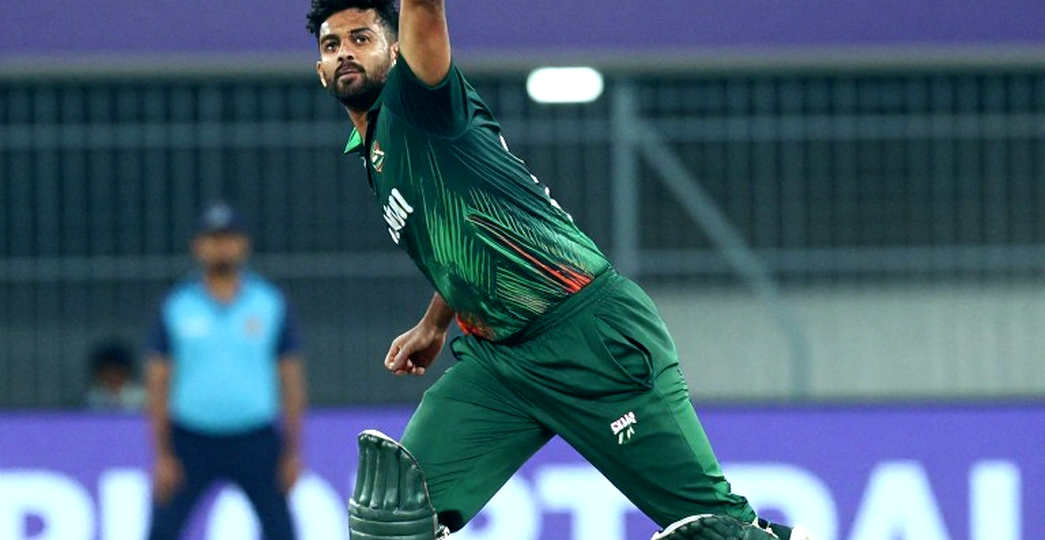
The third blind spot is the one the industry least wants discussed. The Saudi Pro League's sports-technology and fan-engagement spending, cricket's own Gulf-based franchise leagues, the sports-tourism packaging of ageing stars — all of it is the same pitch sold in different fonts: attention from a diaspora is an export commodity. Blockchain is the newest wrapper on that idea. Selling a fan token to a supporter in Kerala is not community-building; it is the sale of a souvenir to someone who wants to believe they are a shareholder. Nobody says this out loud because the numbers look healthy.
What remains, then? A transfer fee is a poem written in euros, and nobody admits the rhyme. The same is true of a fan token, except the rhyme is louder and the poem is shorter.
Cricket does not need a token to remember itself. It needs the discipline to write things down. The pitch remembers every footstep, even the ones that never arrived. What cricket has never been good at is keeping the receipt.
There is a version of this where the ledger becomes the s